What is hybrid intelligent?
Hybrid intelligence is a way of working where humans and artificial intelligence AI collaborate to make better decisions, solve problems faster, and produce higher quality results than either could achieve alone.
Instead of replacing people, hybrid intelligence combines human strengths (judgment, creativity, ethics, context) with AI strengths (speed, pattern recognition, data processing, automation).
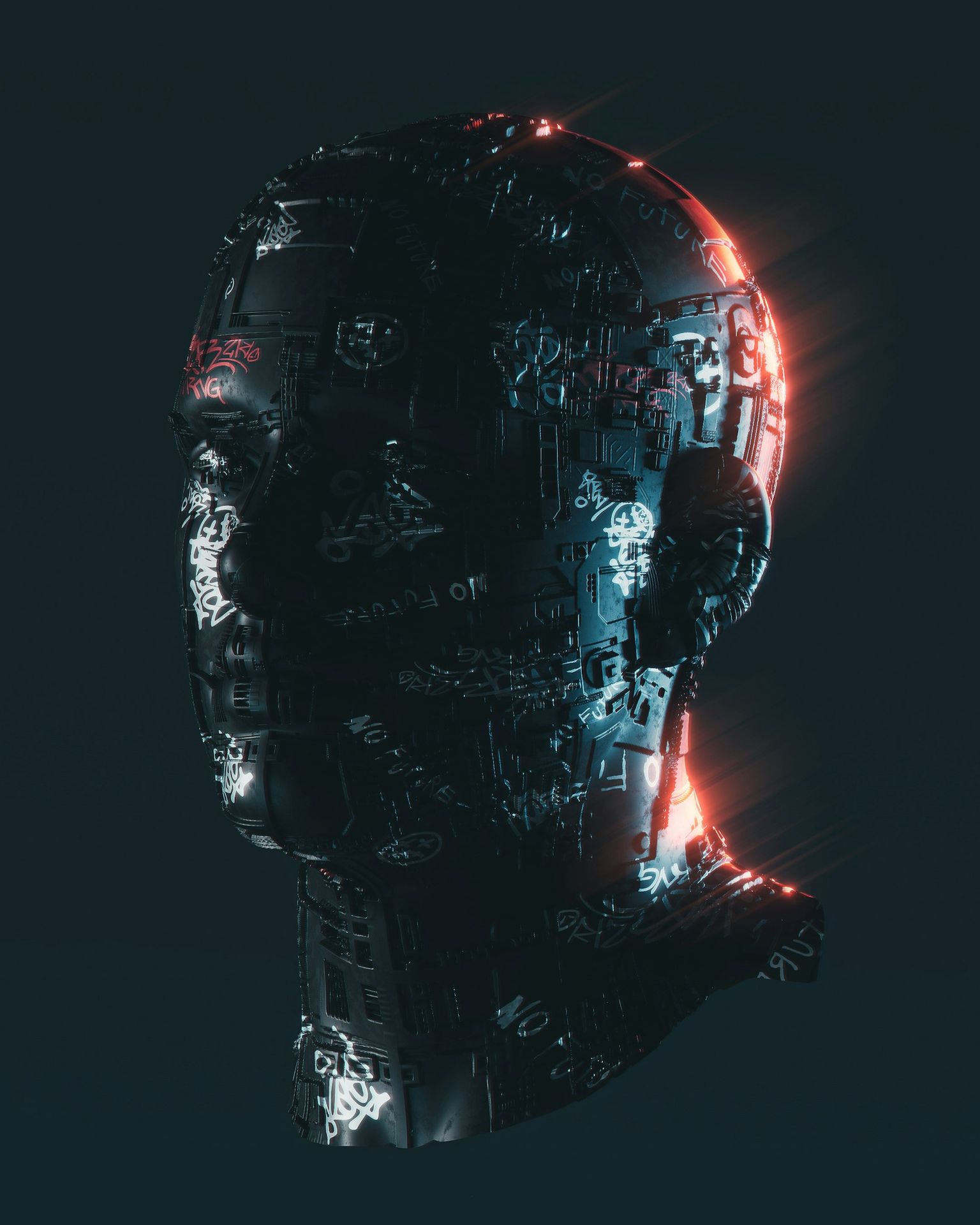
How it works (Human + AI = Better outcomes)
A hybrid intelligent system typically follows this loop:
- AI analyzes data (finds patterns, predicts outcomes, summarizes information)
- Humans review and guide (apply domain knowledge, add context, validate accuracy)
- Humans make final decisions (especially for high impact or ethical choices)
- AI learns from feedback (improves future recommendations)
Why Hybrid Intelligence matters
Key benefits
- Better decisions: AI provides insights; humans ensure relevance and correctness.
- Higher productivity: AI handles repetitive work; humans focus on strategy and creativity.
- Reduced risk: Human oversight helps prevent errors, bias, and unsafe outputs.
- Scalable expertise: AI can support teams by capturing and reusing knowledge.
Hybrid Intelligence vs. Automation
- Automation: AI works alone to complete a task end to end.
- Hybrid intelligence: AI supports people, and humans stay in control especially when stakes are high.
Why Hybrid Intelligence Matters
The volume of information generated every day is growing exponentially. Humans alone cannot process massive datasets efficiently, while AI often lacks context, empathy, and common sense.
Hybrid intelligence bridges this gap.
It enables organizations to:
- Improve decision-making
- Increase productivity
- Reduce human error
- Enhance innovation
- Deliver personalized experiences
- Solve complex problems faster
The combination creates a system that is more capable, adaptive, and resilient than either humans or AI working independently.
The Rare Insight: Moravec's Paradox
One of the most fascinating concepts in AI research is called Moravec's Paradox.
The paradox suggests that tasks humans find difficult such as complex calculations are relatively easy for AI. Meanwhile, tasks humans perform effortlessly like understanding emotions, interpreting social cues, or applying common sense remain extremely challenging for machines.
This explains why AI can analyze millions of medical records in seconds but struggles to understand subtle human emotions during a conversation.
Hybrid intelligence works because it leverages the unique strengths of both parties.
Human Strengths vs. AI Strengths
Human Strengths
- Emotional intelligence
- Creativity and innovation
- Ethical reasoning
- Critical thinking
- Contextual understanding
- Adaptability in uncertain situations
AI Strengths
- Data processing at scale
- Pattern recognition
- Speed and efficiency
- Predictive analytics
- Consistency
- Continuous operation
When combined effectively, these capabilities create a powerful partnership.
Real-World Examples of Hybrid Intelligence
Healthcare
AI systems can analyze medical images and detect patterns that might be overlooked by clinicians.
Doctors, however, provide empathy, interpret patient history, and make final treatment decisions.
Together, they improve diagnostic accuracy and patient outcomes.
Education
AI powered platforms personalize lessons according to a student's learning style and pace.
Teachers use these insights to mentor, motivate, and address emotional and social needs.
Finance
AI can identify market trends and detect fraudulent activities in real time.
Human experts evaluate broader economic factors, regulatory concerns, and ethical implications.
Manufacturing
AI predicts equipment failures and optimizes production schedules.
Human workers oversee operations, solve unexpected problems, and ensure quality standards.
The Centaur Model: A Lesson from Chess
The concept of hybrid intelligence gained attention through competitive chess.
After advanced chess software became widely available, researchers discovered something unexpected: teams of average players using AI tools often outperformed both grandmasters and standalone AI systems.
This approach became known as the Centaur Model.
The lesson is clear:
The future belongs to people who know how to collaborate with AI not those who compete against it.
Challenges of Hybrid Intelligence
Trust and Transparency
Bias and Fairness
Overreliance on AI
Excessive dependence on AI may reduce critical thinking and decision making skills.
Despite its benefits, hybrid intelligence introduces new challenges.
Trust and Transparency
People need to understand how AI systems generate recommendations.
Bias and Fairness
AI models can inherit biases from training data, leading to unfair outcomes.
Overreliance on AI
Excessive dependence on AI may reduce critical thinking and decision-making skills.
Privacy and Security
Accountability
The Human in the Loop Approach
One of the most effective ways to implement hybrid intelligence is through the human-in-the-loop (HITL) model.
In this framework:
- AI generates recommendations or insights.
- Humans review and validate the output.
- Feedback improves future AI performance.
This continuous cycle combines machine efficiency with human judgment and accountability.
Skills Needed in the Era of Hybrid Intelligence
- AI literacy
- Prompt design
- Critical thinking
- Communication
- Ethical reasoning
- Creativity
- Emotional intelligence
- Adaptability
People who develop these skills will thrive in an AI powered world.
The Future of Hybrid Intelligence
Experts believe hybrid intelligence will shape the next generation of innovation.
Future workplaces will rely on teams where humans and AI collaborate seamlessly.
Rather than asking whether AI will replace jobs, organizations should ask:
How can AI enhance human potential?
The answer lies in building systems that empower people instead of replacing them.
Conclusion
Hybrid intelligence means: “Human + AI working together AI assists, humans decide.”
Hybrid intelligence represents a fundamental shift in how humans interact with technology.
It recognizes a simple truth: AI is powerful, but it is most effective when guided by human values, creativity, and judgment.
Machines can process information.
Humans provide meaning.
Machines can optimize.
Humans can imagine.
The future will not be defined by artificial intelligence alone. It will be defined by how effectively humans and AI learn to work together.
In the age of hybrid intelligence, collaboration is the ultimate competitive advantage.
Latest Stories
Explore fresh ideas and updates from our editorial team.